United States
Water damage and mold: what to do first
Water is running. Do these four things.
- 00Shut the water offThe main valve where the supply enters the house, or the tap behind whatever failed.
- 01Kill power to the wet roomsAt the breaker panel, reached dry. Not by pulling a plug out of water.
- 02Photograph before you move anythingWide shots first, then close, then the part that failed. That last one decides the claim.
- 03Start the drying clockEPA puts mould growth at 24 to 48 hours after materials get wet, counted from when they got wet.
Goes to an independent contractor. Nothing is booked until you say so. Calls may be recorded.
The thing nobody tells you first
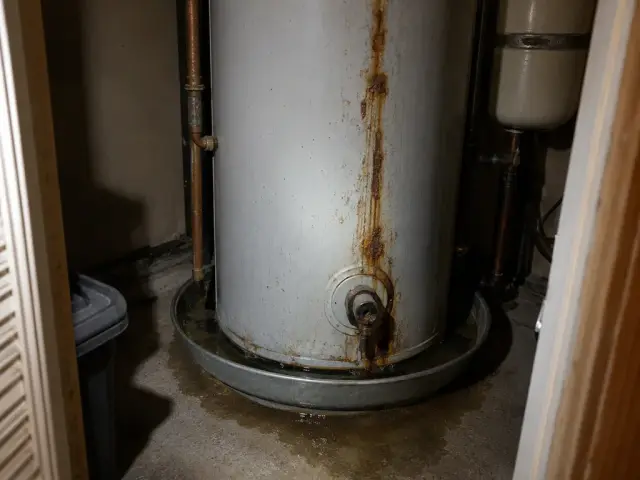
A burst supply line is two jobs, not one. A plumber replaces the pipe. A restoration crew dries the wall and whatever is behind it. Standard homeowners wording pays for the damage the water did and usually not for the part that failed, which is why the invoices arrive separately and are answered differently.
People who call only a plumber find this out about six weeks later, when there is a smell in the hallway and a stain that was not there before. Who to call, in what order →
Read before you sign, not after
Two documents get signed on wet kitchen tables and both are optional. A contract signed at your home carries three business days to cancel, and waiving that requires your own handwriting describing your own emergency. Assigning your insurance benefits to a contractor moves your claim to them and is never required. What to read first →
Goes to an independent contractor. Nothing is booked until you say so. Calls may be recorded.
Found mould, with nothing running?
Different problem, different pace. Two questions settle whether you need anyone at all: how large it is, and whether you own the building. EPA puts the do-it-yourself line at about 10 sq ft, and in New York, Florida and Texas the company that tests may not be the company that removes. How big is too big →
Your state
Flood zone, how many neighbours actually hold flood cover, humidity, frost, and who may lawfully do mould work — county by county.
- Alabama
- Alaska
- Arizona
- Arkansas
- California
- Colorado
- Connecticut
- Delaware
- District of Columbia
- Florida
- Georgia
- Hawaii
- Idaho
- Illinois
- Indiana
- Iowa
- Kansas
- Kentucky
- Louisiana
- Maine
- Maryland
- Massachusetts
- Michigan
- Minnesota
- Mississippi
- Missouri
- Montana
- Nebraska
- Nevada
- New Hampshire
- New Jersey
- New Mexico
- New York
- North Carolina
- North Dakota
- Ohio
- Oklahoma
- Oregon
- Pennsylvania
- Rhode Island
- South Carolina
- South Dakota
- Tennessee
- Texas
- Utah
- Vermont
- Virginia
- Washington
- West Virginia
- Wisconsin
- Wyoming